
English Speaking Countries
English is spoken on every continent and has become one of the most important global languages. A country is called English-speaking if English is its main national language, the language of education, government and daily life. Some of the English-speaking countries include the United Kingdom, the United States of America, Canada, Australia, New Zealand, Ireland, and several island nations such as Jamaica, Malta, Barbados, Trinidad and Tobago, the Bahamas, and many more members of the Commonwealth where English is widely used.
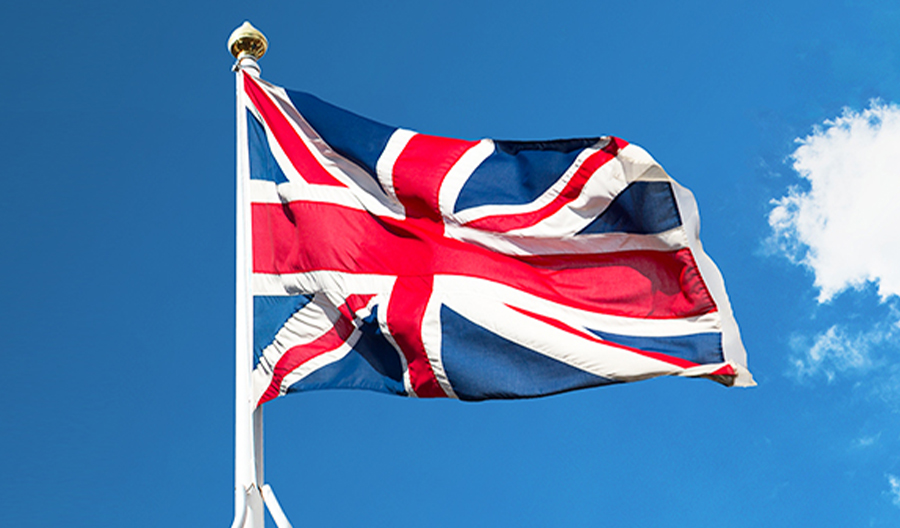
Among these, one of the most historically influential English-speaking countries is the United Kingdom
of Great Britain and Northern Ireland, commonly called the UK. The United Kingdom consists of four main
parts: England, Scotland, Wales and Northern Ireland. These nations share a monarch and a parliament, but
each of them has its own identity, cultural traditions, landscape and local characteristics.
The United Kingdom is situated in north-west Europe. It lies on the British Isles, separated from mainland Europe by the English Channel, and washed by the Atlantic Ocean and the North Sea. The UK has a population of about 67 million inhabitants, most of whom live in urban areas. The largest and most important city is London, which is also the capital of England and the political and financial centre of the country.
The UK is a constitutional monarchy, which means that the country has a monarch — traditionally a king or queen — who is the official head of state. However, real political power is exercised by the elected government. The parliament, located in the famous Palace of Westminster, is divided into two chambers: the House of Commons, whose members are elected, and the House of Lords, whose members are either appointed or hereditary. The Prime Minister, who is the leader of the government, lives at 10 Downing Street in London, while the monarch traditionally lives in Buckingham Palace.
England is the largest and most populated part of the United Kingdom. It has a population of over 50 million and is famous for its modern cities, universities and industries. London is one of the world’s most multicultural cities, famous for attractions such as the Houses of Parliament, Big Ben, St Paul’s Cathedral, the Shard and the Tower of London.
Scotland lies to the north of England and is known for its rugged natural beauty—deep valleys, high mountains and picturesque lochs (lakes). Loch Ness is famous worldwide because of the mythical monster Nessie. The Scottish Highlands offer dramatic landscapes and the UK’s highest mountain, Ben Nevis. Edinburgh is the capital city, famous for its international arts festival, while Glasgow is the economic centre.
Wales is a mountainous country on the western side of Britain. The population is around 3 million, and many people speak Welsh, a Celtic language. Cardiff is the capital city, and Wales is known for castles, coal mining history and national pride.
Northern Ireland, located on the island of Ireland, has Belfast as its capital. Its history has been marked by tensions between Protestants and Catholics, resulting in decades of violence known as “The Troubles.” Today, Northern Ireland is more peaceful and is famous for its beautiful nature and landmarks such as the Giant’s Causeway.
The UK is rich in cultural and historical heritage,
offering a variety of places worth exploring. London itself contains world-famous landmarks:
- Westminster Abbey
- the Tower of London
- Buckingham Palace
- the British Museum
- Tate Modern
- Hyde Park and Regent’s Park
- Madame Tussauds Wax Museum
- the London Eye
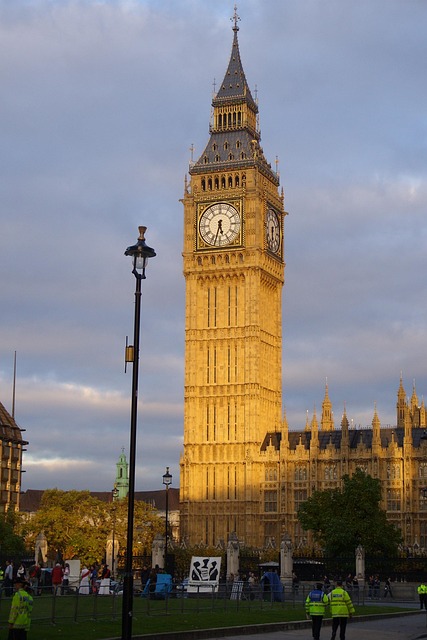
Outside of London, tourists visit Stonehenge, the mysterious prehistoric stone circle. Shakespeare’s birthplace, Stratford-upon-Avon, attracts literature lovers. Oxford and Cambridge are prestigious university cities with centuries of academic tradition. Liverpool is known for The Beatles and football, while Manchester and Birmingham are major industrial centres. Visitors also enjoy scenic landscapes such as the Lake District, Snowdonia in Wales and Scottish Highlands.
British culture is full of traditions. Probably the most famous ritual is afternoon tea — drinking tea with milk in the afternoon often accompanied by scones or sandwiches. British people are known for loving pubs, football leagues and traditional dishes such as fish and chips.
In Scotland, traditional clothing includes kilts worn by men, decorated with tartan patterns representing different clans. The bagpipes are a signature Scottish musical instrument. Scotland is also famous for producing whisky.
Important holidays in the UK include Christmas, Easter, Guy Fawkes Night on November 5th, Remembrance Day to honour soldiers, and the New Year celebrations in Scotland known as Hogmanay. Many visitors notice that British people respect personal space, queue politely and rarely push or raise their voices in public. Manners and politeness are deeply valued in everyday interactions.
National stereotypes are generalisations, and while they may contain some truth, they do not describe everyone. British people
are often thought to be reserved, polite, calm and resistant to showing strong emotions in public. They are frequently described
as lovers of tea and gardens. Scots are seen as proud, hospitable and passionate, while Welsh people are known for singing and literary traditions.
The United Kingdom has played a remarkable role in shaping world history. From the Middle Ages through the Industrial Revolution to the modern era, Britain was a major world power and built the largest empire in history. Many former colonies are now independent countries but still maintain cooperation with the UK through the Commonwealth of Nations.
Culturally, the UK has a huge influence on the world — from Shakespeare to The Beatles, from British universities to BBC broadcasts and fashion trends. London remains one of the world’s financial capitals. The UK is a respected member of NATO and the United Nations and has been known for its diplomacy, science and innovation. Although it left the European Union in 2020, Britain is still considered a strong military, cultural and political force.
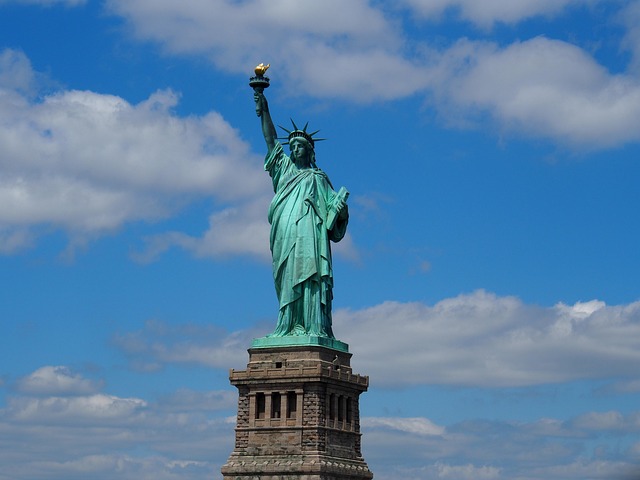
When speaking about English-speaking countries, it is impossible not to mention the United States of America, one of the most powerful and influential nations in the world. The USA stretches across North America, with 50 states extremely diverse in climate, landscape and culture. It contains deserts, mountains, rainforests and enormous cities. The country operates as a federal republic led by an elected president. Its Congress consists of the Senate and the House of Representatives. American cities such as New York, Los Angeles, Chicago and Miami are global symbols of culture, entertainment and business.
American society is multicultural, shaped by immigrants from every corner of the world. Native Americans, African-Americans, Latinos, Asians and Europeans all contributed to America’s identity. Although the United States is admired for innovation, freedom and ambition, the country must also face inequality, political divisions and social challenges. Many tourists are attracted by national parks like Yellowstone or the Grand Canyon, skyscrapers in New York, or sunny beaches in Florida, Hawaii and California.
English-speaking countries are geographically distant yet culturally close thanks to their shared language. Whether we talk about Great Britain with centuries of tradition or the USA with modern multicultural life, both nations play a key role in global politics, economy, science and culture. Learning about these countries opens our horizons, helps us understand history and allows us to communicate with millions of people around the world.

Obrázky použité na tejto stránke sú čerpané zo stránok:
pixabay.com
flagpoles.com